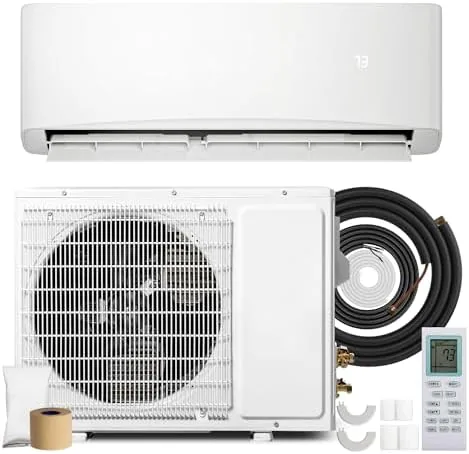
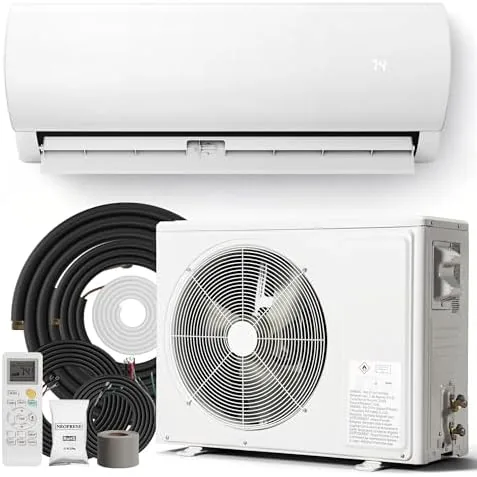
Tehanld — Air Conditioner
Tehanld Air Conditioner: Climate Control Designed for Homeowners and Small Business Spaces
Tehanld creates innovative home comfort appliances for people who refuse to compromise on daily convenience. The best Tehanld air conditioner systems address a specific need: reliable, energy-efficient climate control for spaces up to 1250 square feet without the complexity and expense of traditional HVAC installations. Homeowners seeking year-round comfort, office managers outfitting break rooms, and anyone transforming garages or basements into livable spaces find exactly what they need in this focused product line.
The brand's mission centers on making climate control effortless rather than overwhelming. Every mini-split system ships with a complete installation kit, eliminating the frustrating parts hunt that derails weekend projects. With 19 SEER2 ratings and inverter technology, these units deliver consistent temperatures while keeping energy bills predictable. The dual heating and cooling capability means one system handles summer heat waves and winter cold snaps with equal competence.
Tehanld understands that modern living spaces don't always fit traditional cooling solutions. Studio apartments, converted garages, home offices, and game rooms all benefit from ductless technology that zones climate control precisely where it's needed. Rather than cooling an entire house to make one room comfortable, these systems target specific areas with remarkable efficiency. The brand serves homeowners who think strategically about comfort, energy use, and long-term value.
A Complete Lineup from 12,000 to 18,000 BTU
The current product range spans multiple configurations designed to match specific room sizes and electrical setups. The 12,000 BTU units handle spaces up to 750 square feet with impressive efficiency, while the 18,000 BTU model extends coverage to 1,250 square feet. This thoughtful range ensures buyers select precisely the right capacity rather than overpaying for unnecessary power or struggling with an undersized unit.
Electrical flexibility distinguishes the lineup further. Standard 115V models plug into typical household circuits, simplifying installation for bedrooms, home offices, and smaller living areas. The 230V options deliver enhanced performance for larger spaces where dedicated circuits already exist. Every model includes both cooling and heating modes, transforming seasonal equipment into year-round climate control solutions.
The upgraded versions incorporate refinements based on real-world performance data and customer feedback. Enhanced compressor technology, improved defrost systems, and refined airflow patterns represent tangible improvements over previous generations. Buyers choosing upgraded models receive the latest engineering advances without premium pricing that often accompanies new product launches.
Inverter Technology and Heat Pump Integration: The Engineering Foundation
Understanding how Tehanld air conditioner systems work reveals the engineering philosophy behind their efficiency claims. Traditional air conditioners operate in binary fashion — full power or completely off — creating temperature swings and energy waste. Inverter technology changes this fundamental approach by allowing the compressor to modulate its speed continuously, matching output precisely to current cooling or heating demands.
Heat pump integration doubles the utility of each installation. Rather than generating heat through electrical resistance, heat pumps move thermal energy from one location to another. During cooling mode, heat transfers from indoor air to the outdoor environment. Reverse the process during winter, and the same system extracts heat from outdoor air — even at temperatures as low as -4°F — and moves it indoors. This thermodynamic efficiency dramatically reduces operating costs compared to electric heaters or window units.
The 17 SEER2 and 19 SEER2 ratings quantify this efficiency advantage. SEER2 (Seasonal Energy Efficiency Ratio 2) measures cooling output relative to energy input under standardized testing conditions that better reflect real-world performance than previous metrics. Higher numbers indicate greater efficiency, and the ratings achieved by these systems exceed federal minimum requirements significantly. Over years of operation, this efficiency translates to substantial energy savings that offset initial purchase costs.
Tehanld Air Conditioner Key Features: From Quiet Operation to Smart Defrost
- 19 SEER2 Efficiency Rating Exceeds federal minimum standards by a significant margin, delivering measurable energy savings over the system's operational lifespan while maintaining consistent temperature control.
- Intelligent Defrost Technology Actively protects internal components during heating mode operation, preventing ice buildup that degrades performance and extends system longevity in cold climate applications.
- Low-Temperature Operation The outdoor unit maintains reliable heating performance even when ambient temperatures drop to -4°F, ensuring year-round comfort without backup heating requirements in most climates.
- Complete Installation Kit Included Every purchase includes refrigerant lines, mounting hardware, and connection components, eliminating additional purchases and ensuring compatibility between all system elements.
- Dual-Mode Capability Full cooling and heating functionality from a single system reduces equipment costs and installation complexity while providing seamless seasonal transitions.
- Inverter Compressor Technology Variable-speed operation matches output to current demand, eliminating the temperature fluctuations and energy waste associated with traditional on-off cycling.
Top-Selling Models: The 12,000 BTU Upgraded Version Leads the Pack
The Tehanld 12000 BTU Mini Split Air Conditioner Upgraded Version consistently ranks as the most popular choice across the product line. Its 17 SEER2 rating combined with 115V compatibility makes it ideal for homeowners seeking straightforward installation without electrical upgrades. The upgraded designation reflects refined compressor programming, enhanced defrost logic, and optimized airflow patterns that emerged from extensive field testing and customer feedback analysis.
For buyers prioritizing maximum efficiency, the 19 SEER2 115V model delivers the highest seasonal efficiency rating in the 12,000 BTU class. This configuration suits energy-conscious homeowners in regions with high electricity costs or those pursuing green building certifications. The 2-point efficiency advantage over the standard model compounds over years of operation, making the efficiency premium a sound long-term investment.
The 18,000 BTU 230V model addresses larger spaces that smaller units cannot adequately condition. Covering up to 1,250 square feet, this configuration suits open-concept living areas, large master bedrooms, or commercial applications like small retail spaces. The 230V electrical requirement matches the dedicated circuits commonly found in these applications, while the increased capacity ensures rapid temperature recovery after doors open or occupancy changes.
R410A Refrigerant, Copper Linesets, and Weather-Resistant Housings
Every mini-split system utilizes R410A refrigerant, the current industry standard for residential and light commercial cooling applications. This hydrofluorocarbon blend replaced older refrigerants that damaged atmospheric ozone, offering both environmental benefits and superior heat transfer characteristics. R410A operates at higher pressures than legacy refrigerants, requiring robust components but delivering enhanced efficiency and faster temperature response.
Copper refrigerant lines connect indoor and outdoor units, providing the thermal conductivity and corrosion resistance essential for long-term reliability. Pre-flared connections simplify installation while ensuring leak-free operation that maintains refrigerant charge throughout the system's lifespan. The included linesets match each model's specifications precisely, eliminating compatibility concerns and installation errors.
Outdoor unit housings incorporate powder-coated steel construction rated for continuous exposure to UV radiation, precipitation, and temperature extremes. Internal components receive additional weather protection through sealed electrical compartments and angled drainage channels that prevent moisture accumulation. These construction details extend service life in coastal, desert, and extreme climate installations where lesser equipment fails prematurely.
Rapid Cooling, Whisper-Quiet Operation, and Consistent Comfort Across Seasons
Real-world performance begins with rapid temperature response that brings uncomfortable spaces to desired conditions quickly. The inverter compressor ramps to maximum capacity during initial cooling or heating, then modulates down as the target temperature approaches. This intelligent operation eliminates the overshoot and undershoot cycles that make traditional air conditioners feel uncomfortable, maintaining steady temperatures within tight tolerances.
Noise levels during operation remain remarkably low, particularly when the system reaches steady-state conditions after initial temperature pull-down. Indoor units operate below typical conversation levels, making them suitable for bedrooms, home offices, and media rooms where noise intrusion degrades the experience. The outdoor compressor similarly maintains restrained sound output that respects neighboring properties and outdoor living spaces.
Seasonal transitions occur without equipment changes or service calls. The same system that battled August humidity handles January cold fronts, switching between modes automatically based on temperature differential between setpoint and actual conditions. This dual-mode capability proves especially valuable in climates with unpredictable shoulder seasons where morning heating gives way to afternoon cooling demands. Users set their preferred temperature and allow the system to determine optimal operating mode continuously.
How to Use Your Tehanld Air Conditioner for Maximum Efficiency in Home Offices
Installing and operating these mini-split systems correctly maximizes both comfort and efficiency. Indoor unit placement significantly impacts performance — mount the unit high on an interior wall with unobstructed airflow to all room areas. Avoid locations directly above heat sources, electronic equipment, or furniture that blocks air circulation. The included mounting bracket provides secure installation while allowing minor angle adjustments during positioning.
Remote control operation provides convenient adjustment without interrupting work tasks. Position the remote in direct line-of-sight with the indoor unit's receiver for reliable communication. The sleep mode function gradually adjusts temperature overnight, providing comfortable sleeping conditions while reducing energy consumption during hours when precise control matters less.
Proper Sizing and Installation Considerations for Optimal Performance
Correct BTU capacity selection determines whether the system performs efficiently or struggles constantly. The 750 square foot rating for 12,000 BTU models assumes standard 8-foot ceilings, moderate insulation, and typical window area. Spaces with cathedral ceilings, large window expanses, poor insulation, or southern exposure may require upsizing to the 18,000 BTU configuration despite falling within nominal square footage limits.
Electrical requirements demand attention before purchase. The 115V models operate on standard 15-amp household circuits but require dedicated circuits without other loads sharing the breaker. The 230V models necessitate 20-amp dedicated circuits with appropriate receptacles — a straightforward addition in most homes but potentially requiring electrician involvement. Verify existing electrical infrastructure matches the selected model before ordering.
Professional installation remains recommended despite the comprehensive kit contents. Refrigerant handling requires EPA Section 608 certification, and improper line connections can cause leaks that degrade performance and damage compressors. Many buyers engage HVAC contractors for the refrigerant work while completing mounting and electrical connections themselves, balancing cost savings against technical requirements. Local building codes may mandate permits and inspections for new HVAC equipment regardless of installation approach.
Perfect for Converted Garages, Home Bars, and Year-Round Sunrooms
Ideal Living Spaces
- Converted garages and workshops
- Basement recreation rooms
- Sunrooms and enclosed porches
- Above-garage apartments
- Home office additions
- Master bedroom suites
Commercial Applications
- Small retail spaces
- Professional offices
- Server rooms requiring cooling
- Restaurant private dining areas
- Salon stations
- Medical examination rooms
Selecting the Right Air Conditioner Capacity and Configuration
Matching system capacity to space requirements prevents both undersized struggles and oversized inefficiency. Calculate room square footage accurately, then consider factors that increase cooling load: multiple occupants, heat-generating equipment, cooking activities, and extensive glazing. Conservative buyers choose the next size up when calculations fall near capacity boundaries, ensuring adequate performance during extreme conditions without significant efficiency penalty.
Voltage selection depends on existing electrical infrastructure and installation preferences. The 115V systems suit additions to existing living spaces where standard outlets abound and running new circuits represents unnecessary expense. The 230V configurations make sense in new construction, major renovations, or spaces where dedicated HVAC circuits already exist from previous equipment. Both voltage options deliver identical cooling and heating performance; only the electrical supply differs.
The upgraded version designation indicates the latest engineering refinements and represents the best value for most buyers. Enhanced defrost programming extends heat pump operation into colder temperatures, while optimized compressor algorithms reduce energy consumption during partial-load conditions that dominate real-world operation. Unless specific circumstances favor the standard version — such as parts commonality with existing installations — the upgraded models provide superior long-term value through improved efficiency and extended operating range.
Tehanld Air Conditioner vs. Senville, MRCOOL, and Pioneer: Feature Comparison
| Feature | Tehanld | Senville LETO | MRCOOL DIY | Pioneer Diamante |
|---|---|---|---|---|
| 12,000 BTU SEER2 Rating | 17-19 SEER2 | 17 SEER | 22 SEER | 17 SEER |
| 115V Option Available | Yes | Yes | Yes | Yes |
| Heat Pump Included | Yes | Yes | Yes | Yes |
| Installation Kit Included | Complete Kit | Partial Kit | Pre-charged Lines | Complete Kit |
| Low-Temp Heating | -4°F | -13°F | -13°F | -4°F |
| Wi-Fi Control | No | Optional | Yes | Optional |
| Coverage Area | 750-1250 sq ft | 700 sq ft | 750 sq ft | 750 sq ft |
| Warranty | Standard | 5 Year | 7 Year | 5 Year |
| Price Range | Budget-Friendly | Mid-Range | Premium | Mid-Range |
Specifications based on manufacturer data for comparable 12,000 BTU models. SEER ratings may vary by model year and configuration.
Filter Cleaning, Coil Maintenance, and Seasonal System Checks
Regular maintenance preserves efficiency and extends equipment lifespan significantly. The indoor unit air filter requires monthly inspection during active use periods, with cleaning or replacement whenever visible dust accumulation appears. Most models feature washable filters that rinse clean under running water — allow complete drying before reinstallation to prevent mold growth within the air handling system.
Seasonal transition points provide ideal maintenance windows. Before summer cooling season begins, clean all filters, clear vegetation from outdoor unit surroundings, and verify proper operation in cooling mode. Before heating season, repeat filter service and test heat pump function to identify any issues before cold weather arrives. These simple preventive measures catch developing problems early when repairs remain straightforward and inexpensive.